Understanding Nutrigenomics: How Your DNA Shapes Your Nutritional Needs
For decades, nutrition advice has been one-size-fits-all. People hear the same messages: eat less, move more, cut carbs, avoid fat, or follow popular diets like the Mediterranean plan. Yet obesity rates, metabolic diseases, and frustration with diets keep rising. This disconnect is not about willpower or discipline. It reflects a deeper truth: human biology is not uniform. Each person’s metabolism processes food differently, influenced by their unique genetic makeup.
From a genetic counselor’s perspective, this explains why many people “do everything right” but still don’t see the results they expect. Nutrigenomics, the study of how genes affect nutrition and metabolism, offers a new way to understand these differences. It does not promise a perfect diet for everyone, but it helps explain why some diets work for some people and not for others.
What Is Nutrigenomics and Why It Matters
Nutrigenomics explores how genetic variations influence the way our bodies respond to nutrients. These variations affect how we metabolize carbohydrates, fats, and proteins, how we absorb vitamins and minerals, and how our bodies handle inflammation and detoxification.
For example, some people have genetic variants that cause rapid blood sugar spikes after eating carbohydrates. Others may process fats more slowly, leading to higher cholesterol levels. These differences mean that a diet low in carbs might help one person but cause energy crashes in another.
Nutrigenomics does not replace medical advice or clinical care. Instead, it adds a layer of understanding that can guide more personalized nutrition plans. By considering genetic factors, nutrition advice can move beyond generic guidelines to recommendations that fit individual biology.
How Genes Influence Key Nutritional Processes
Genes impact many aspects of nutrition and metabolism, including:
Carbohydrate metabolism and insulin sensitivity
Variations in genes like TCF7L2 affect how the body manages blood sugar. People with certain variants may be more prone to insulin resistance and benefit from lower carbohydrate intake.
Lipid processing and cholesterol transport
Genes such as APOE influence how fats are broken down and transported in the body. Some variants increase the risk of high LDL cholesterol, suggesting a need to monitor fat intake carefully.
Inflammatory response
Genetic differences can affect how the body reacts to inflammation triggered by certain foods. For example, some people may experience more inflammation from omega-6 fatty acids.
Vitamin and mineral utilization
Variants in genes like MTHFR can affect how the body processes folate and other B vitamins, impacting energy production and cardiovascular health.
Appetite regulation and satiety
Genes involved in hunger signals can influence how full a person feels after eating, affecting portion control and weight management.
Exercise response and recovery
Genetic factors also shape how the body responds to physical activity, influencing nutrient needs for recovery and performance.
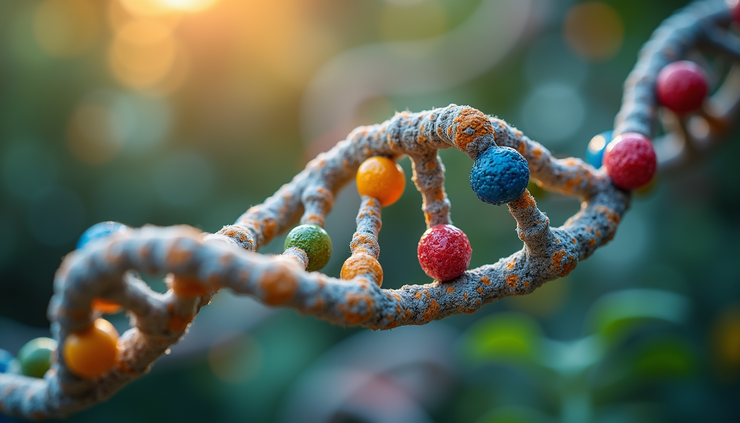
DNA strands intertwined with nutrient molecules, illustrating the connection between genetics and nutrition
Why One-Size-Fits-All Diets Often Fail
Many people follow popular diets without success. This often happens because the diet does not match their genetic predispositions. For example:
Someone with a genetic tendency for insulin resistance may struggle on a high-carb diet, even if it is considered healthy for the general population.
A person with slower fat metabolism might gain weight or see cholesterol rise on a diet high in saturated fats.
Individuals with certain inflammatory gene variants may find that some “healthy” foods cause digestive discomfort or inflammation.
These mismatches can lead to frustration and the false belief that the person lacks discipline or motivation. Understanding genetic differences helps shift the focus from blame to biology.
Practical Steps to Use Nutrigenomics in Your Wellness Journey
While nutrigenomics is a growing field, there are practical ways to start applying its insights:
Genetic testing
Consider working with a healthcare provider or genetic counselor to get tested for common variants related to nutrition and metabolism.
Personalized nutrition plans
Use genetic information to tailor your diet. For example, if you have a variant affecting carbohydrate metabolism, you might reduce carb intake or choose low-glycemic options.
Monitor your response
Track how your body reacts to dietary changes. Nutrigenomics provides probabilities, not certainties, so personal experience remains key.
Work with professionals
Collaborate with dietitians or genetic counselors who understand nutrigenomics to interpret your results and create a sustainable plan.
Focus on whole foods
Regardless of genetics, a diet rich in whole, minimally processed foods supports overall health and provides a strong foundation.
The Future of Nutrition Is Personalized
Nutrigenomics is changing how we think about food and health. It moves nutrition advice away from generic rules and toward personalized strategies based on biology. This approach respects individual differences and offers hope for more effective, sustainable wellness.
As research advances, we will better understand how to use genetic information to prevent disease, manage weight, and improve quality of life. For now, recognizing that your DNA shapes your nutritional needs is a powerful first step toward a healthier, more personalized diet.
Comments